Altitude testing, low-pressure testing and combined temperature–altitude testing are not one test. Three standards families cover them, and each defines the pressure condition, the temperature condition and the acceptance criteria differently. The chamber follows the standard, not the other way round.
What reduced pressure does to a product
Reduced atmospheric pressure changes heat transfer and cooling, electrical insulation and arcing behaviour, seals and pressure-sensitive structures, motors and fans, batteries and energy-storage systems, and the behaviour of enclosed assemblies. A product that passes at sea level can fail at altitude for any of these reasons, and the failure is often the combination of low pressure and temperature rather than pressure alone.
Typical altitude simulation runs from sea level at 101.3 kPa through 5,000–10,000 m, up to 50,000 m depending on system capability.
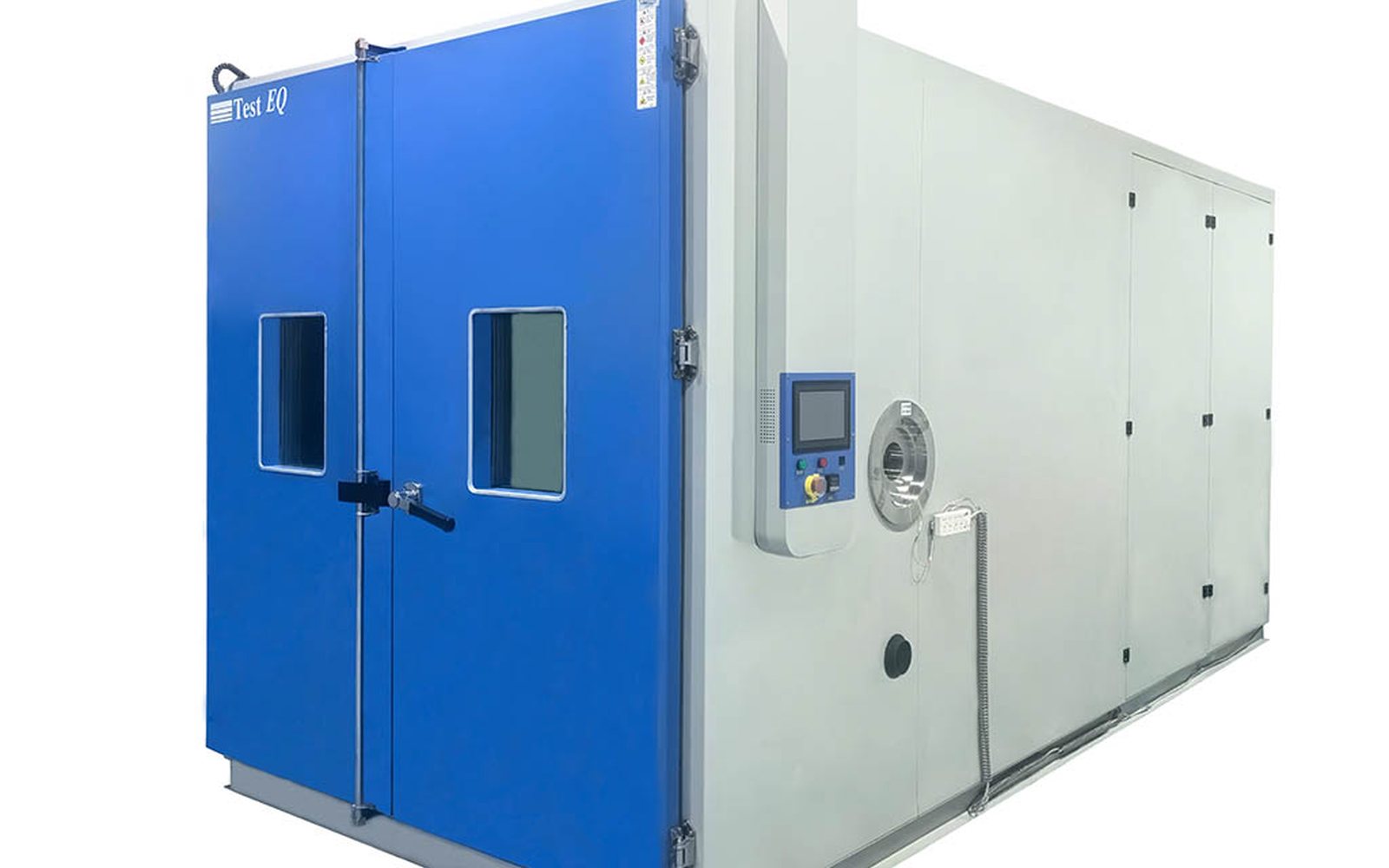
MIL-STD-810 Method 500.6 – Low Pressure (Altitude)
In MIL-STD-810H, altitude testing is covered by Method 500.6 – Low Pressure (Altitude). The method is not a fixed profile. MIL-STD-810 requires engineering tailoring, so altitude, pressure, duration and temperature are set from the product lifecycle and platform rather than from a single default.
Method 500.6 is applied through procedures that match the exposure:
- Storage or air transport – packaging and enclosure integrity, structural deformation, seal performance, material expansion and the functional condition after exposure.
- Operation or air carriage – behaviour of an operating item at the specified low pressure, including startup, electrical operation, cooling, communication and abnormal heating.
- Rapid decompression – for equipment in pressurised compartments and airborne systems, where the pressure–time profile is taken from the applicable requirement rather than an assumed decompression rate.
The parameters to fix before the chamber is chosen are the test altitude, the corresponding chamber pressure, the altitude change rate, the applicable procedure, the test duration, the temperature and humidity conditions, the test-item configuration, the instrumentation, and the post-test acceptance criteria.
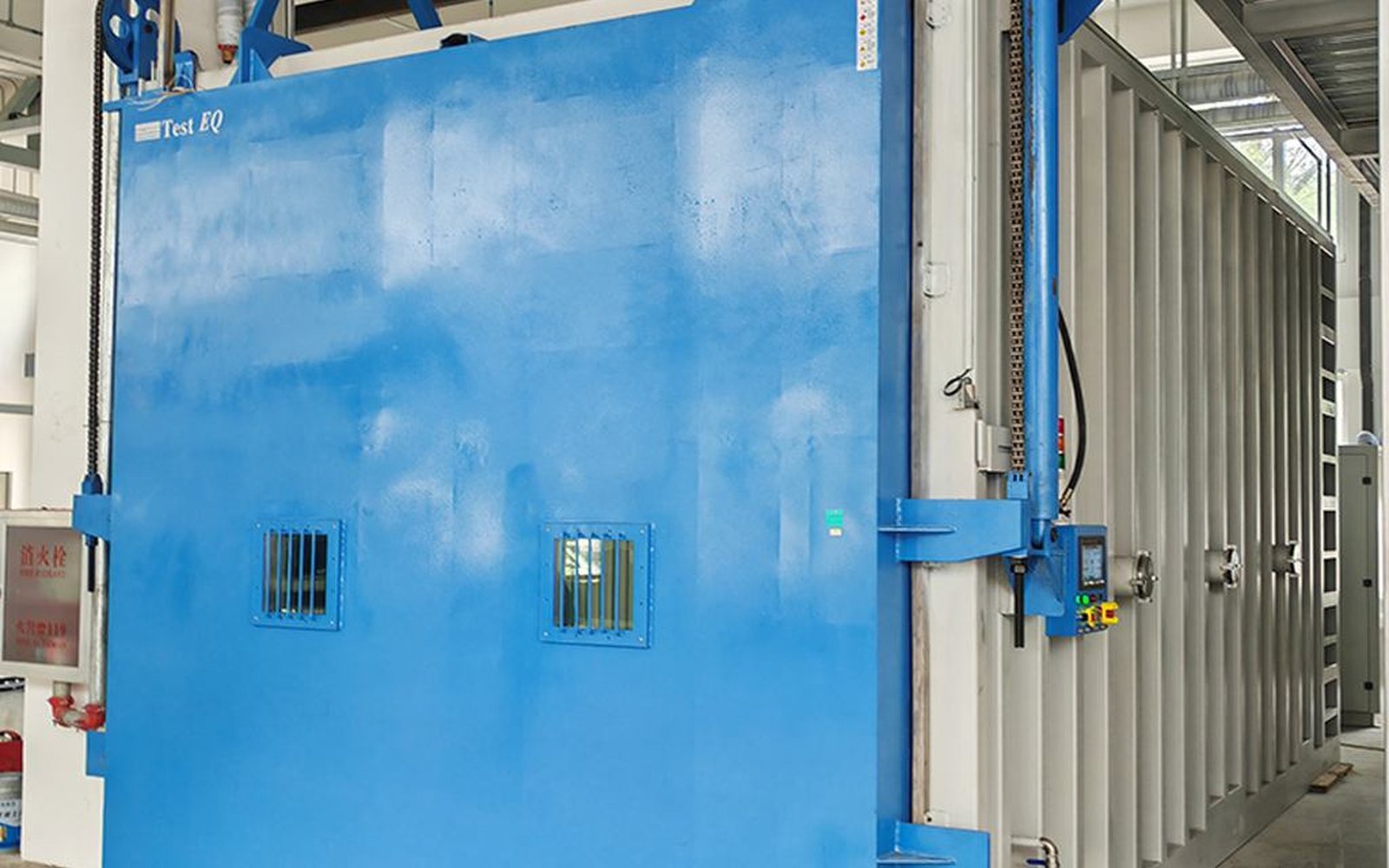
IEC 60068 low-air-pressure methods
IEC 60068 handles low air pressure in combination with temperature rather than as a stand-alone altitude number. IEC 60068-2-39 covers combined temperature, or temperature and humidity, with low air pressure; IEC 60068-2-40 covers low temperature with low air pressure; IEC 60068-2-41 covers dry heat with low air pressure. In the 2-39 procedure the temperature change rate does not exceed 1 K/min and the pressure change rate does not exceed 15 kPa/min. TestEQ low-pressure systems are typically configured for a pressure adjustment range of approximately 5 kPa to 100 kPa, with the final figure set by the required test profile.
RTCA DO-160 Sections 4 to 6
For airborne equipment, DO-160G contains 26 numbered sections. Sections 4 to 6 cover temperature and altitude, temperature variation, and humidity, and these are the sections that map to environmental chamber work. Section 8, vibration, may need to be integrated with the temperature and altitude test depending on the qualification programme. DO-160 also spans mechanical, electrical, EMC, lightning, icing and flammability sections, so only the applicable sections are tested.
Pressure control and chamber performance
A chamber for these standards is specified by more than its lowest achievable pressure. Pressure control accuracy is commonly held within ±1–2 % deviation, the temperature integration typically spans −70 °C to +150 °C, and the structure has to resist deformation under vacuum with multi-layer insulation, overpressure protection, emergency venting and data acquisition that can be exported for certification. The working volume follows the DUT, the fixture, the number of specimens, the airflow, the heat load and the maintenance access.
Which chamber for which standard
- Altitude or low-pressure simulation on its own → an altitude test chamber.
- Combined temperature, or temperature and humidity, with low air pressure → a low-pressure environmental chamber specified for the complete IEC 60068-2-39 sequence.
- Space hardware that also needs vacuum and thermal cycling → a thermal vacuum chamber.
Contact us with the applicable standard, the altitude or pressure profile, the temperature range and the specimen size, and we will confirm the chamber configuration. Related equipment: Altitude test chamber and thermal vacuum chamber .
Frequently asked questions
What does reduced atmospheric pressure do to a product under test?
Reduced pressure changes heat transfer and cooling, electrical insulation and arcing behaviour, seals and pressure-sensitive structures, motors and fans, batteries and energy-storage systems, and the behaviour of enclosed assemblies. A product that passes at sea level can fail at altitude, and the failure is often the combination of low pressure and temperature rather than pressure alone.
How is altitude testing handled in MIL-STD-810H?
In MIL-STD-810H it is covered by Method 500.6 – Low Pressure (Altitude), applied through procedures for storage or air transport, operation or air carriage, and rapid decompression. The method is not a fixed profile — MIL-STD-810 requires engineering tailoring, so altitude, pressure, duration and temperature are set from the product lifecycle and platform rather than from a single default.
What rate limits does IEC 60068-2-39 set for combined low-pressure testing?
In the 2-39 procedure the temperature change rate does not exceed 1 K/min and the pressure change rate does not exceed 15 kPa/min. IEC 60068-2-39 covers combined temperature, or temperature and humidity, with low air pressure; -2-40 covers low temperature with low air pressure and -2-41 covers dry heat with low air pressure.
Which DO-160G sections map to environmental chamber work?
DO-160G contains 26 numbered sections; sections 4 to 6 cover temperature and altitude, temperature variation, and humidity, and these are the sections that map to environmental chamber work. Section 8, vibration, may need to be integrated with the temperature and altitude test depending on the qualification programme, and only the applicable sections are tested.
What pressure control accuracy and temperature range should an altitude chamber hold?
Pressure control accuracy is commonly held within ±1–2 % deviation, and the temperature integration typically spans −70 °C to +150 °C, with the structure resisting deformation under vacuum. TestEQ low-pressure systems are typically configured for a pressure adjustment range of approximately 5 kPa to 100 kPa, with the final figure set by the required test profile.