EIA-364-17 is the humidity test procedure in the EIA-364 family for electrical connectors, sockets and related components. Where ANSI EIA-364-32C applies thermal shock, EIA-364-17 applies a controlled high-humidity environment, and the two are often specified together when a connector has to prove both thermal and moisture reliability.
What the method evaluates
A connector is exposed to a controlled temperature and humidity condition for a specified duration, and its electrical and mechanical behaviour is measured before, during where required, and after exposure. The method asks whether moisture that enters through seals, interfaces and material surfaces degrades the connection.
Moisture affects a connector in several ways:
- Contact and terminal oxidation
- Reduced insulation resistance
- Increased leakage current
- Dielectric strength changes
- Swelling, corrosion or degradation of polymer parts
- Mechanical and dimensional change
The user sets the exposure condition and duration from the product specification and the qualification plan; the standard provides the method.
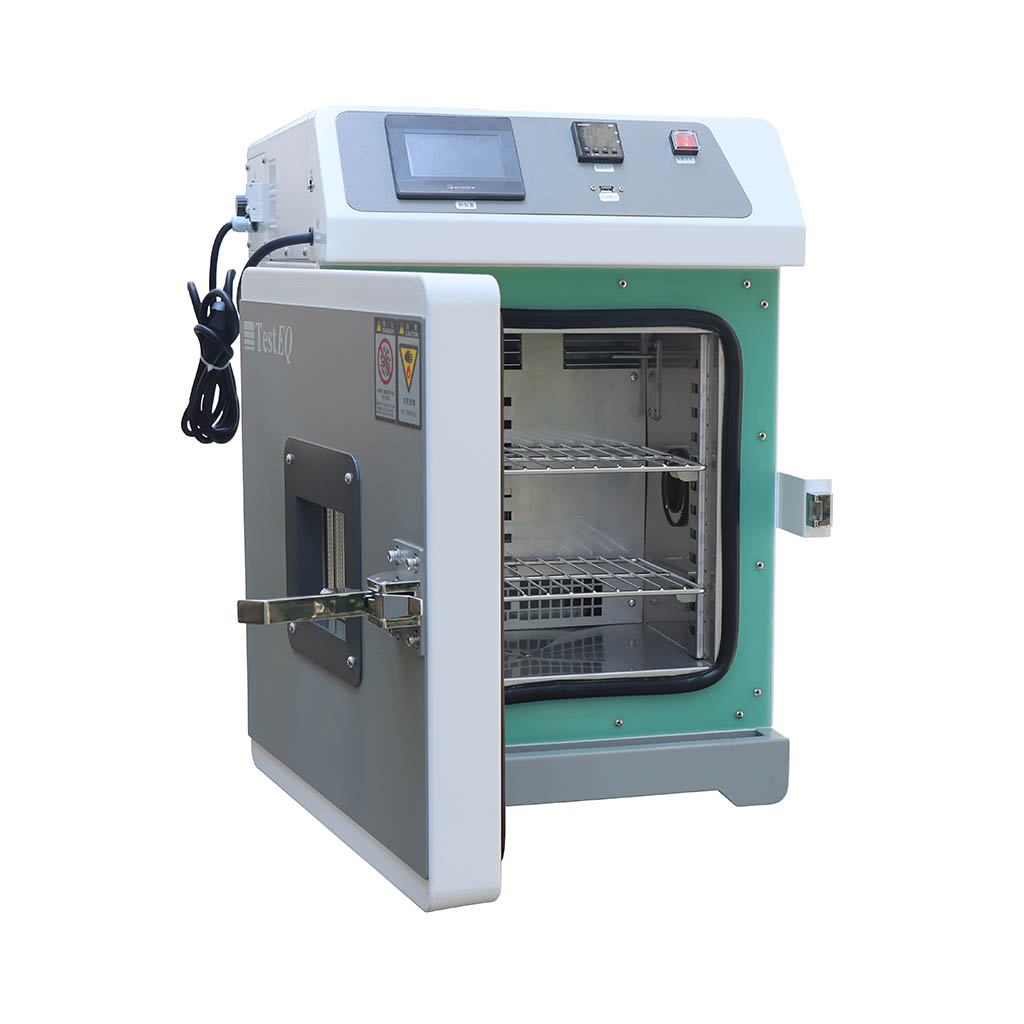
Connector evaluation items
Humidity testing for connectors is judged on measurable electrical and physical criteria:
- Contact resistance, before and after exposure
- Insulation resistance
- Dielectric withstanding performance
- Leakage current
- Visible corrosion, oxidation or surface degradation
- Mechanical integrity and contact stability
Test procedure
- Baseline measurement. Initial electrical performance, including contact resistance, is recorded.
- Chamber stabilisation. The temperature humidity chamber is brought to the required temperature and relative humidity.
- Humidity exposure. The sample is held at the specified condition for the required duration, in the operating or non-operating state defined by the test plan.
- Recovery. The specimen is returned toward the standard condition before final measurements.
- Post-test evaluation. Electrical and mechanical characteristics are re-measured and compared with the baseline, and the connector is inspected for corrosion, oxidation and physical damage.
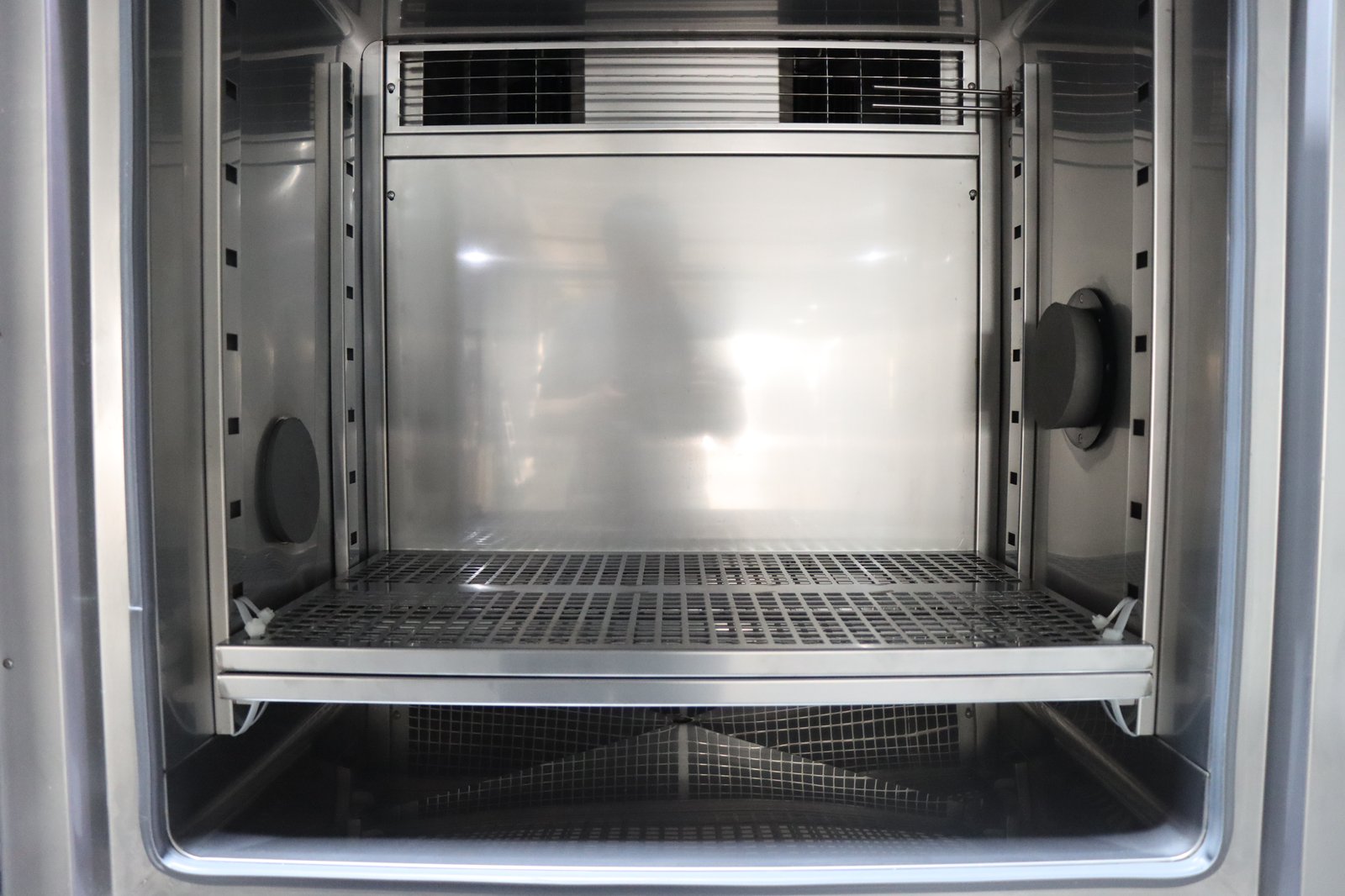
The chamber it requires
An EIA-364-17 run needs stable, repeatable temperature and humidity control:
- Temperature control accuracy and stability across the test band.
- Relative humidity control at the specified high-humidity condition.
- Humidity uniformity, because local variation changes the moisture exposure across the connector.
- Continuous monitoring and recording of temperature and relative humidity for traceability.
- Recovery control and post-test handling.
For thermally active or large samples, chamber performance is assessed under representative loading rather than empty-chamber specifications.
Relation to other connector tests
Connector qualification commonly combines methods rather than running one:
- EIA-364-17 – humidity exposure (this procedure).
- ANSI EIA-364-32C – thermal shock and temperature cycling .
- IEC 60068-2-78 – damp heat, steady state, for the broader component programme.
- IEC 60068-2-30 – damp heat, cyclic , where the specification calls for cyclic rather than steady humidity.
Where moisture and thermal stress have to be applied in a defined sequence, a programmable temperature humidity chamber is used.
Which chamber
- Humidity exposure for connectors → temperature humidity test chamber .
- Cyclic damp heat profiles → a temperature humidity chamber with cyclic programming.
- Humidity combined with vibration for automotive connectors → temperature humidity vibration test chamber .
Contact us with the connector type, the required humidity condition, the duration and the evaluation criteria.
Frequently asked questions
What does EIA-364-17 evaluate?
A connector is exposed to a controlled temperature and humidity condition for a specified duration, and its electrical and mechanical behaviour is measured before, during where required, and after exposure. The method asks whether moisture that enters through seals, interfaces and material surfaces degrades the connection; the user sets the exposure condition and duration from the product specification and qualification plan.
What failure modes does humidity testing expose in a connector?
Moisture produces contact and terminal oxidation, reduced insulation resistance, increased leakage current, dielectric strength changes, and swelling, corrosion or degradation of polymer parts, plus mechanical and dimensional change. Evaluation criteria include contact resistance, insulation resistance, dielectric withstanding performance, leakage current, visible corrosion or oxidation, and mechanical integrity.
What are the steps in an EIA-364-17 run?
The procedure is baseline measurement, chamber stabilisation, humidity exposure at the specified condition for the required duration, recovery toward the standard condition, then post-test evaluation. Electrical and mechanical characteristics are re-measured and compared with the baseline, and the connector is inspected for corrosion, oxidation and physical damage.
What chamber performance does EIA-364-17 require?
It needs stable, repeatable temperature and humidity control: temperature control accuracy and stability across the test band, relative humidity control at the specified high-humidity condition, humidity uniformity, and continuous monitoring and recording of temperature and relative humidity for traceability. For thermally active or large samples, chamber performance is assessed under representative loading rather than empty-chamber specifications.
Which other connector tests are usually combined with EIA-364-17?
Connector qualification commonly combines methods: EIA-364-17 for humidity exposure, ANSI EIA-364-32C for thermal shock and temperature cycling, IEC 60068-2-78 for damp heat steady state, and IEC 60068-2-30 for cyclic damp heat. Where moisture and thermal stress have to be applied in a defined sequence, a programmable temperature humidity chamber is used.