IEC 60068-2-66 defines a pressure-accelerated damp heat test used to evaluate the moisture resistance of non-hermetic electronic components under high temperature, high humidity and pressurised vapour. It is the environmental method behind HAST (Highly Accelerated Stress Test), and it accelerates moisture penetration so that reliability failures appear in a shorter test period than a conventional humidity test.
What the method tests
The specimen is exposed to elevated temperature, high humidity and elevated pressure in unsaturated pressurised steam. The purpose is to reveal moisture-related failures before mass production. Typical test temperatures are 110 °C to 130 °C.
The method is applied to semiconductor components, IC packages, electronic assemblies, PCB products, automotive electronics, aerospace electronic systems and high-reliability industrial devices.
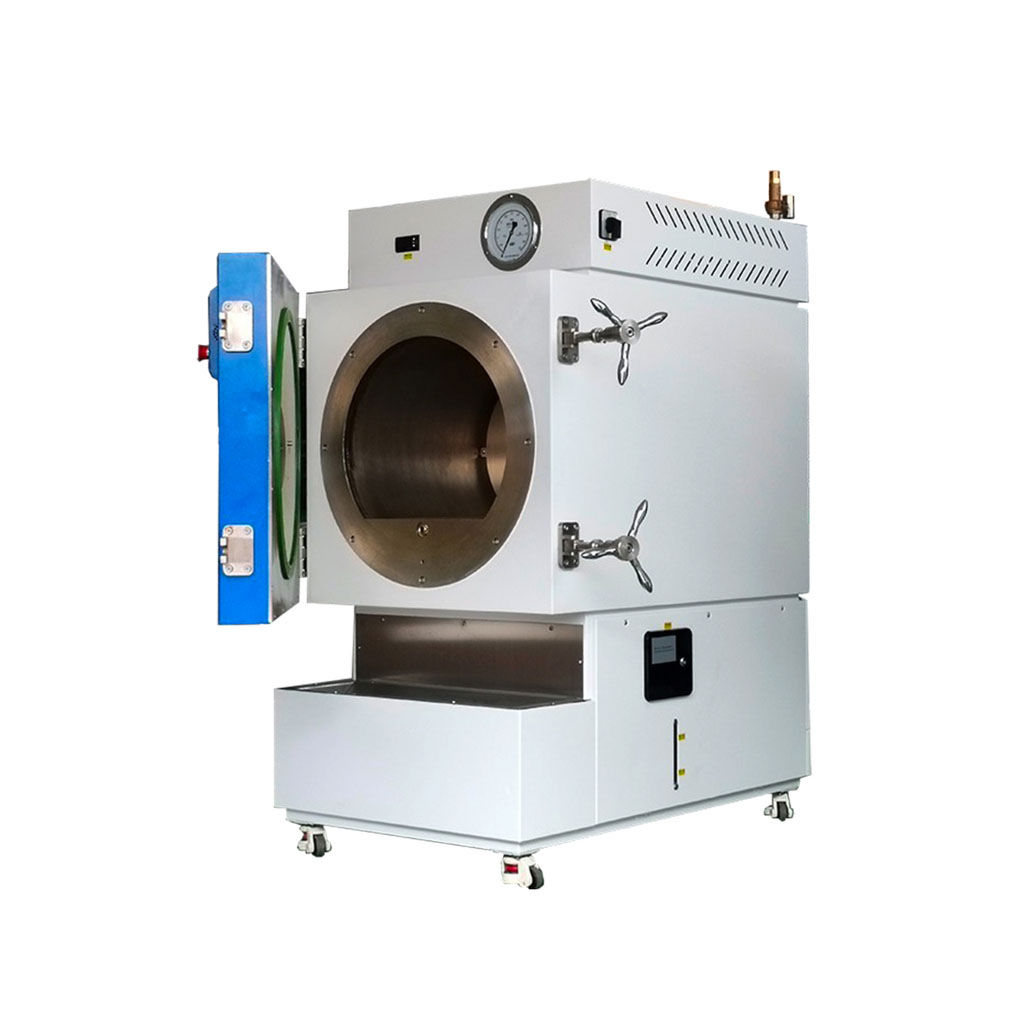
Purposes by application
| Application | Testing purpose |
|---|---|
| Semiconductor packages | Moisture penetration and package reliability |
| IC components | Corrosion and internal degradation |
| PCB assemblies | Insulation resistance stability |
| Automotive electronics | Reliability under harsh environments |
| Aerospace electronics | Long-term operational reliability |
| Industrial electronics | Moisture-related failure risk |
Test conditions
| Parameter | Requirement |
|---|---|
| Test method | Highly Accelerated Stress Test (HAST) |
| Temperature range | Typically 110 °C–130 °C |
| Relative humidity | High-humidity environment |
| Pressure | Elevated vapour pressure |
| Test medium | Unsaturated pressurised steam |
| Test duration | Set by the product reliability requirement |
| Test samples | Non-hermetically sealed electronic components |
The exact severity depends on the package type, the operating environment, the expected product lifetime and the industry qualification requirement.
Test procedure
- Sample preparation – components or assemblies prepared to the test requirement.
- Initial inspection – electrical performance, physical appearance and functional characteristics recorded.
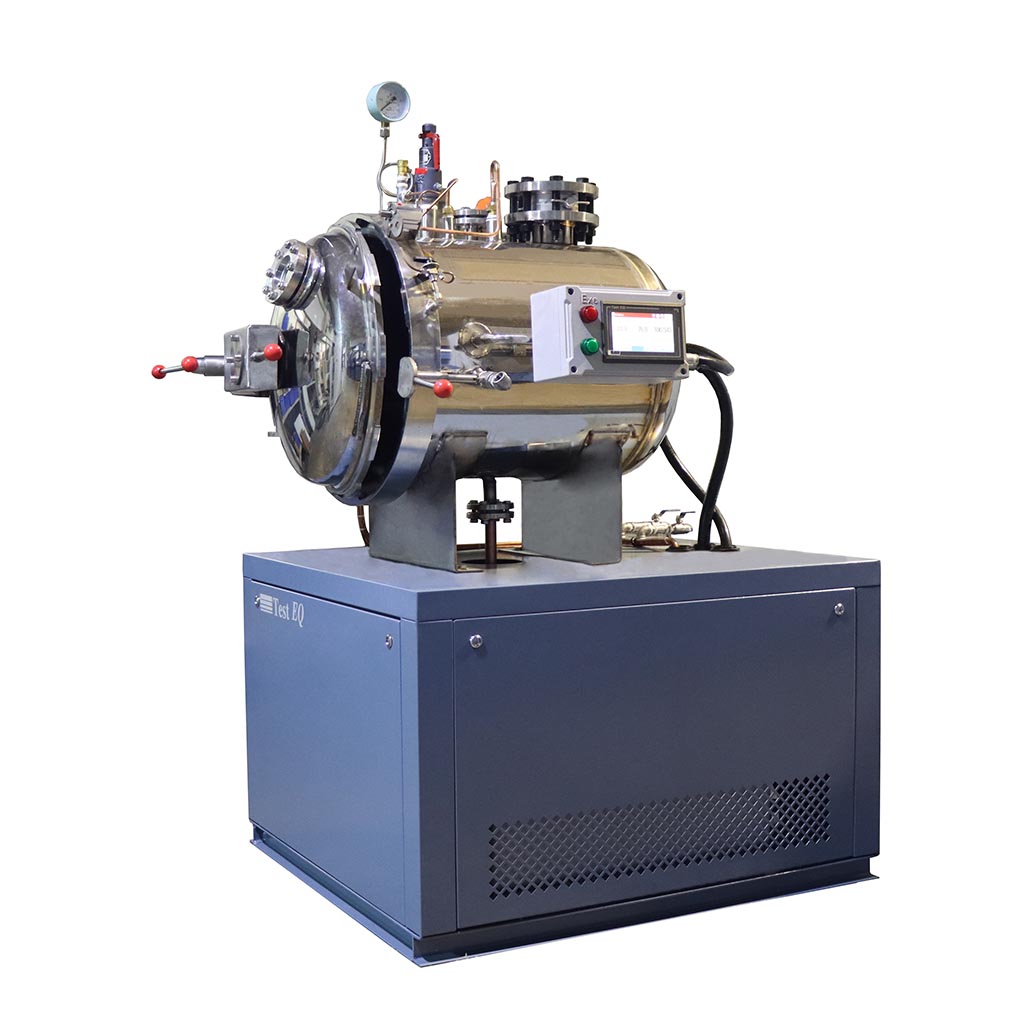
- HAST exposure – samples placed in the chamber, which controls temperature, humidity and pressure to create the accelerated moisture conditions.
- Post-test evaluation – inspection for corrosion, delamination, electrical degradation, material damage and functional failure.
The severity is set by test temperature, humidity level, pressure condition, exposure duration and the product reliability requirement.
HAST, PCT and related methods
| Test method | Standard | Main application |
|---|---|---|
| HAST | IEC 60068-2-66 | Environmental moisture reliability testing |
| HAST | JESD22-A110 | Semiconductor qualification testing |
| PCT | Pressure Cooker Test | Moisture resistance evaluation |
| 85/85 | JEDEC JESD22-A101 | Long-term humidity reliability |
IEC 60068-2-66 focuses on environmental reliability using accelerated damp heat stress. JESD22-A110 is used by semiconductor manufacturers for component qualification. PCT uses saturated steam conditions. For semiconductor reliability, IEC 60068-2-66 and JESD22-A110 are frequently referenced together.
Failure modes detected
- Moisture penetration – water vapour entering component structures and degrading performance.
- Corrosion – accelerated attack on metal connections and electronic structures.
- Package delamination – separation between packaging materials under moisture stress.
- Insulation resistance degradation – reduced electrical insulation performance.
- Electrical failure – device malfunction after long-term moisture stress.
How to select a HAST chamber
- Temperature, pressure and humidity control accuracy – stable control of all three so results are repeatable.
- Safety protection – pressure protection, over-temperature protection, automatic monitoring and an emergency release system.
- Test capacity – chamber size matched to sample quantity, product dimensions and laboratory workflow.
- Compliance capability – support for IEC 60068-2-66, JESD22-A110 and semiconductor reliability requirements.
Which chamber
HAST and PCT are run in a temperature/pressure-controlled chamber. Where the programme only needs damp heat at ambient pressure, a temperature humidity test chamber covers it. Where the specimen is large or the profile is non-standard, a custom environmental chamber is configured around the humidity, pressure and temperature range. For related damp heat methods, see the IEC 60068 series overview .
Contact us with the required temperature, humidity and pressure conditions and the specimen size.
Frequently asked questions
What is IEC 60068-2-66 used for?
It defines a pressure-accelerated damp heat test for the moisture resistance of non-hermetic electronic components under high temperature, high humidity and pressurised vapour. This is the method behind HAST, which accelerates moisture penetration so reliability failures appear in a shorter test period than a conventional humidity test.
What temperature and pressure conditions does a HAST test run at?
Typical test temperatures are 110 °C to 130 °C. The test medium is unsaturated pressurised steam at elevated pressure, held in a high-humidity environment, with a duration set by the product reliability requirement. The exact severity depends on the package type, the operating environment, the expected product lifetime and the industry qualification requirement.
How does HAST differ from PCT and from 85/85 testing?
PCT uses saturated steam conditions, while the HAST method in IEC 60068-2-66 runs in unsaturated pressurised steam. 85/85 corresponds to JEDEC JESD22-A101 for long-term humidity reliability, and JESD22-A110 is the HAST standard widely used by semiconductor manufacturers for component qualification. For semiconductor reliability, IEC 60068-2-66 and JESD22-A110 are frequently referenced together.
What are the steps of a HAST test procedure?
Sample preparation to the test requirement, then an initial inspection recording electrical performance, physical appearance and functional characteristics. The samples go into the chamber, which controls temperature, humidity and pressure to create the accelerated moisture conditions. Post-test evaluation then checks for corrosion, delamination, electrical degradation, material damage and functional failure.
Which failure modes does HAST exposure reveal?
Moisture penetration into component structures, corrosion on metal connections and electronic structures, and package delamination between packaging materials. It also shows insulation resistance degradation and electrical failure after long-term moisture stress.