IEC 60068-2-39:2015 defines tests and guidance for combined temperature, or temperature and humidity, with low air pressure. It is not an altitude-equivalent pressure test. The specimen is held at a temperature, or at a temperature and humidity, while the chamber pressure is reduced to a specified low-pressure condition, and the objective is to expose effects that temperature, humidity or pressure do not produce on their own.
What IEC 60068-2-39 covers
The 2015 edition is titled Environmental testing – Part 2-39: Tests – Tests and guidance: Combined temperature or temperature and humidity with low air pressure tests. The test determines whether equipment or components experience electrical, mechanical, physical or functional changes under the combined stresses.
It applies to aerospace electronics, avionics, defence equipment, electronic assemblies, automotive electronics and communication equipment intended for low-pressure operating environments.
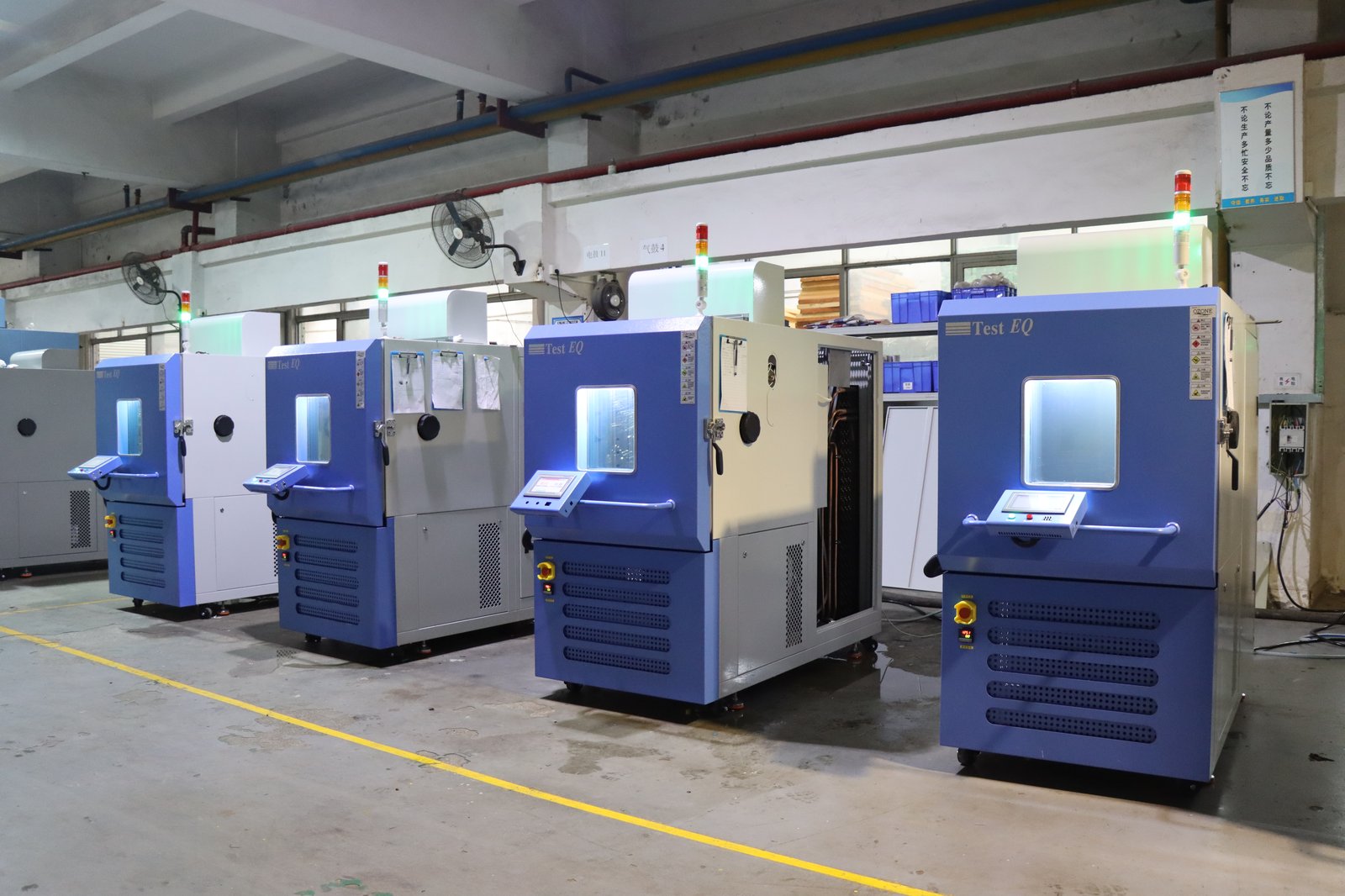
The 2-39, 2-40 and 2-41 family
These are related combined methods, each pairing low air pressure with a different thermal condition:
- IEC 60068-2-39 – temperature, or temperature and humidity, with low air pressure.
- IEC 60068-2-40 – low temperature with low air pressure.
- IEC 60068-2-41 – dry heat with low air pressure.
The correct part follows the stress the product specification requires. For a multi-standard programme, the chamber is configured for the whole test matrix rather than for a single part.
Test Z/AMD and the preferred conditions
IEC 60068-2-39:2015 is associated with the Test Z/AMD approach for combined environmental testing. It provides preferred combinations of temperature, low air pressure, humidity where applicable, and exposure duration. The severity actually used is selected from the applicable IEC 60068 requirement and the product specification.
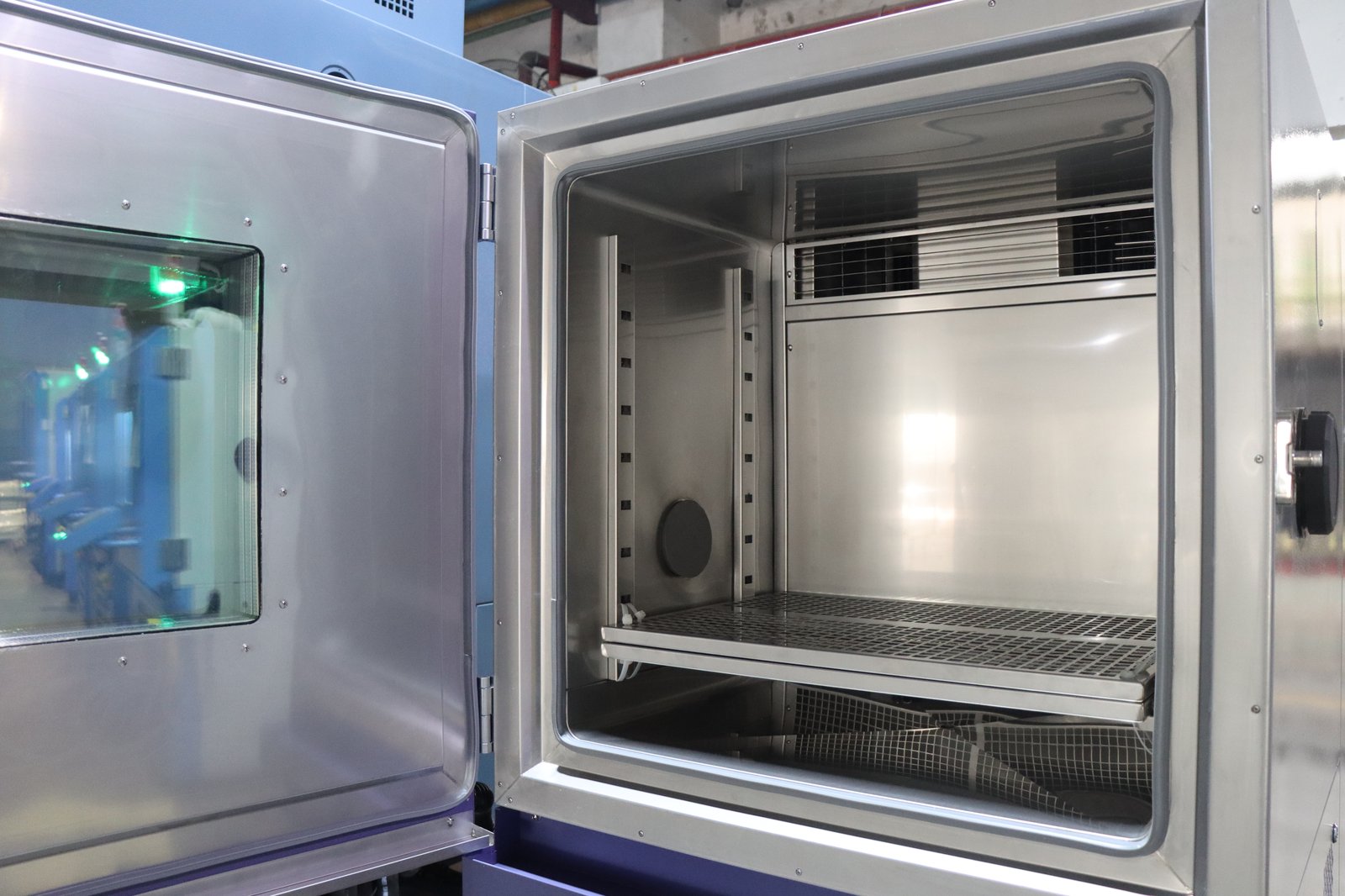
Test conditions and failure mechanisms
The environmental condition is either temperature plus low air pressure, or temperature plus humidity plus low air pressure. Potential failure mechanisms include electrical insulation degradation, seal or enclosure leakage, mechanical deformation, material property changes, changes in electrical performance, functional instability under reduced pressure, and failure after combined exposure.
Test procedure
- Specimen preparation. Install the specimen to the product specification, unpacked, operating or non-operating as required.
- Temperature stabilisation. Bring the chamber to the specified temperature and let the specimen reach stability before the low-pressure stage. The temperature change rate does not exceed 1 K/min during the applicable sequence.
- Low air pressure reduction. Reduce chamber pressure to the specified condition. The pressure change rate does not exceed 15 kPa/min for the applicable procedure.
- Combined exposure. Hold the required temperature and low-pressure conditions for the specified duration, with humidity controlled where applicable. The exposure period is measured from temperature stability under low air pressure.
- Intermediate measurements. For operating specimens, monitor chamber pressure, temperature, humidity where applicable, operating status, electrical parameters and functional performance.
- Pressure recovery. Restore pressure towards normal atmospheric pressure within the applicable recovery requirement.
- Temperature recovery and final evaluation. Keep the specimen in the chamber until the recovery condition is reached, then compare final electrical, mechanical, dimensional or functional measurements with the initial condition.
Chamber requirements
A chamber for 2-39 is specified from the full test profile, not from a temperature range alone.
| Engineering requirement | Why it matters |
|---|---|
| Low air pressure control | Reproduces the required reduced atmospheric pressure |
| Pressure stability | Keeps conditions repeatable across the exposure period |
| Controlled pressure ramp | Prevents uncontrolled pressure transitions |
| Temperature control and uniformity | Consistent thermal exposure across the specimen |
| Humidity control | Supports sequences combining temperature, humidity and low pressure |
| Programmable profiles | Automated multi-stage temperature, pressure and humidity sequences |
| Pressure and temperature monitoring | Real-time monitoring and traceability |
| Data recording | Records critical parameters for qualification and reporting |
| Specimen operating capability | Keeps the DUT operational when functional testing is required |
| Recovery control | Controlled pressure and temperature recovery for post-test evaluation |
TestEQ low-pressure systems are typically configured for a pressure adjustment range of approximately 5 kPa to 100 kPa, with the final figure set by the required test profile and chamber configuration. For procurement, define the minimum pressure, normal atmospheric pressure, pressure control accuracy, pressure change and recovery rates, exposure duration, temperature range, humidity range where applicable, specimen volume and load, and operating condition.
2-39 against an altitude test chamber
| Item | Altitude testing | IEC 60068-2-39 |
|---|---|---|
| Primary purpose | Reduced atmospheric pressure and altitude conditions | Equipment under combined environmental conditions |
| Low pressure | Yes | Yes |
| Temperature | May be combined depending on the requirement | Core test parameter |
| Humidity | Depends on the requirement | Included where applicable |
| Main focus | Altitude and reduced-pressure environment | Temperature, or temperature and humidity, with low air pressure |
| Typical equipment | Altitude test chamber | Combined low-pressure environmental chamber |
When only altitude or low-pressure simulation is needed, an altitude test chamber is appropriate. When the programme combines temperature, or temperature and humidity, with low air pressure, specify the chamber for the full IEC 60068-2-39 sequence.
Contact us with the required pressure range, temperature range, humidity requirement and specimen dimensions.
Frequently asked questions
What does IEC 60068-2-39 actually cover?
The 2015 edition covers tests and guidance for combined temperature, or temperature and humidity, with low air pressure. The specimen is held at a temperature, or at a temperature and humidity, while the chamber pressure is reduced to a specified low-pressure condition. It is not an altitude-equivalent pressure test.
How do IEC 60068-2-39, 2-40 and 2-41 differ?
2-39 pairs temperature, or temperature and humidity, with low air pressure. 2-40 is low temperature with low air pressure, and 2-41 is dry heat with low air pressure. The correct part follows the stress the product specification requires, and a multi-standard programme configures the chamber for the whole test matrix rather than for a single part.
What change rate limits apply during the combined low-pressure procedure?
The temperature change rate does not exceed 1 K/min during the applicable sequence. The pressure change rate does not exceed 15 kPa/min for the applicable procedure. The exposure period itself is measured from temperature stability under low air pressure.
What pressure range can a low-pressure chamber be configured for?
TestEQ low-pressure systems are typically configured for a pressure adjustment range of approximately 5 kPa to 100 kPa, with the final figure set by the required test profile and chamber configuration. For procurement, define the minimum pressure, normal atmospheric pressure, pressure control accuracy, pressure change and recovery rates, exposure duration, temperature range, humidity range where applicable, specimen volume and load, and operating condition.
When is an altitude test chamber the right choice instead?
When only altitude or low-pressure simulation is needed. An altitude chamber is built around reduced-pressure and altitude conditions, while in IEC 60068-2-39 temperature is a core test parameter and humidity is included where applicable. If the programme combines temperature, or temperature and humidity, with low air pressure, specify the chamber for the full sequence.