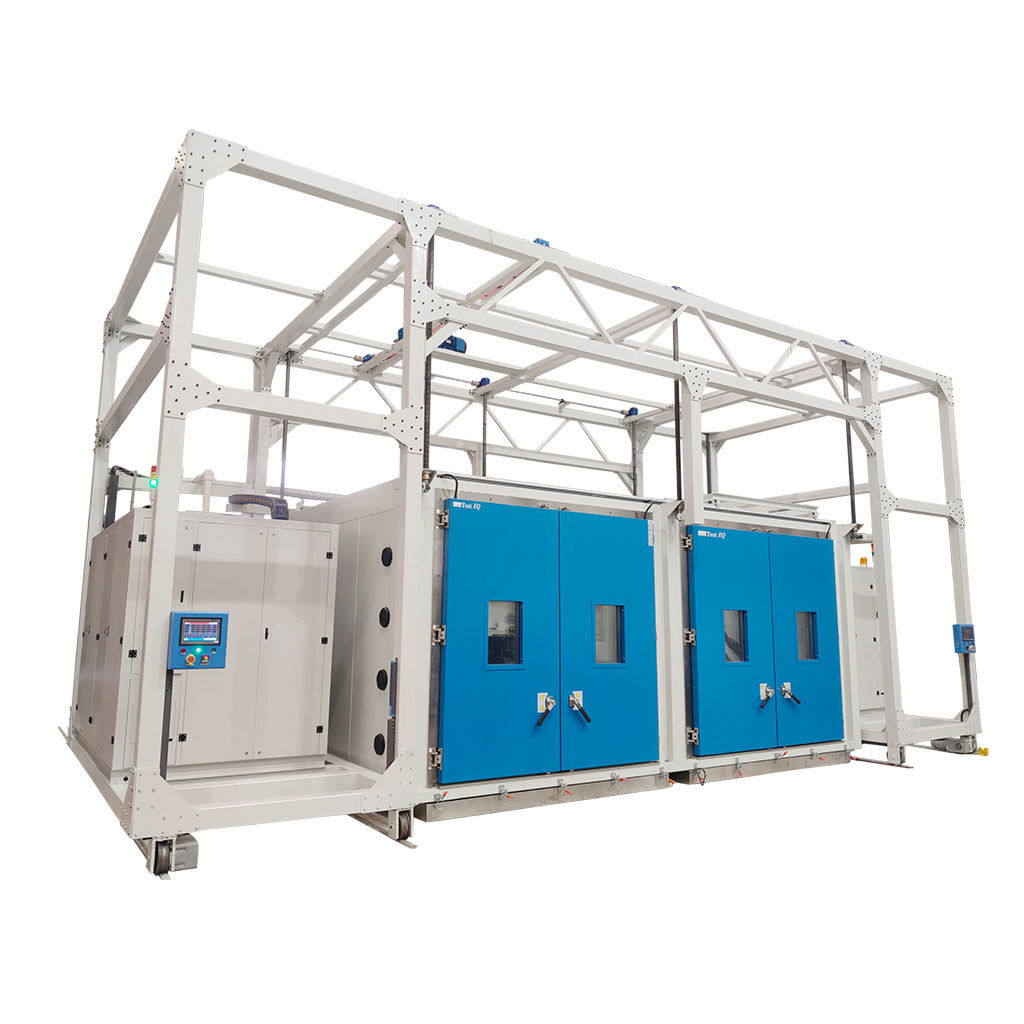
Products rarely fail because of one environmental factor alone. Temperature change, humidity and mechanical vibration occur together in the field, and testing them one at a time misses the interaction. A three-combination chamber applies all three stresses in a single synchronized platform.
What a three-combination chamber is
A conventional environmental chamber applies temperature, humidity or vibration separately. A three-combination chamber reproduces them at the same time through three synchronized subsystems:
- Temperature control – thermal cycling, high-temperature and low-temperature conditions.
- Humidity control – moisture conditions and condensation risk.
- Vibration system – mechanical stress on the specimen.
The three systems run together so the specimen sees a combined environment rather than a sequence of single-factor tests.
How the stresses are combined
During a run the chamber holds a controlled temperature and humidity while the vibration system drives the specimen. The temperature system produces high-temperature exposure, low-temperature operation and temperature cycling. The humidity system produces high humidity, moisture exposure and condensation. The vibration system applies transportation vibration, vehicle operating vibration or aerospace mechanical stress.
Applied together, the three stresses expose failures that single-factor tests do not, including structural weaknesses, connection failures and component fatigue.
Why multiple standards are needed
No single standard covers temperature, humidity and vibration at once. Each defines one part of the physics, and a combined test is written from the applicable parts of several standards.
| Standard | Industry | Role in combined testing |
|---|---|---|
| IEC 60068 | Electronics | Defines temperature, humidity and vibration methods |
| MIL-STD-810H | Military and aerospace | Simulates extreme combined field conditions |
| ISO 16750 | Automotive | Validates ECU and EV environmental durability |
| JEDEC JESD22 | Semiconductor | Device-level reliability |
Three-combination against four-combination is a scope difference, not a quality one: a four-combination system adds altitude to temperature, humidity and vibration.
| Feature | Three combination | Four combination |
|---|---|---|
| Temperature | Yes | Yes |
| Humidity | Yes | Yes |
| Vibration | Yes | Yes |
| Altitude | No | Yes |
Specifying a three-combination chamber
- Define the test requirements. Temperature range, humidity range, temperature change rate, vibration frequency and acceleration, and test cycles and duration.
- Confirm the applicable standards. IEC 60068 for electronic and environmental testing, ISO 16750 for automotive components, MIL-STD-810H for aerospace and defence, JEDEC JESD22 for semiconductor reliability.
- Check temperature and humidity performance. Temperature stability, humidity accuracy, uniformity and recovery time.
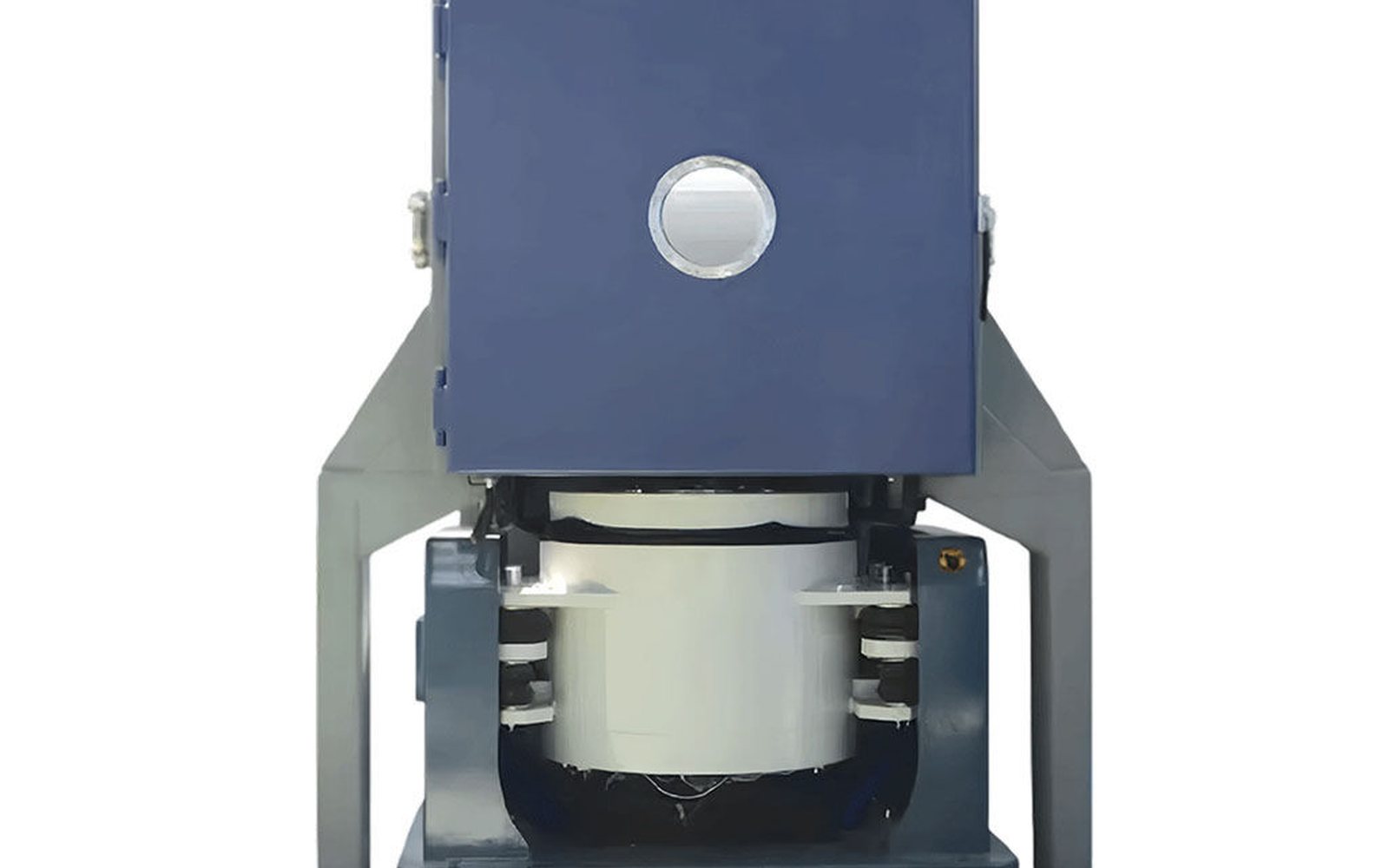
- Check vibration compatibility. Frequency range, acceleration capability, payload capacity and fixture compatibility with the chamber.
- Review control and data management. Programmable profiles, real-time monitoring, data recording, alarm protection and remote operation.
- Consider operating cost. Thermal balance technology, heating and cooling optimization, and maintenance requirements over long test runs.
- Choose the manufacturer on engineering support. Custom chamber design, standard-compliance guidance, installation and after-sales service matter more than a catalogue temperature range.
Where the systems are used
- Electric vehicle battery and BMS systems
- Automotive ECU and power electronics
- Semiconductor packaging and IC validation
- Aerospace and defence electronics
- 5G communication hardware
Which chamber
- Temperature, humidity and vibration together → temperature humidity vibration test chamber .
- Temperature and humidity only → temperature humidity test chamber .
- Temperature, humidity, vibration and altitude → a four-combination system built to altitude and vibration requirements.
Contact us with the required temperature range, humidity range, vibration profile and specimen size.
Frequently asked questions
What makes a three-combination chamber different from a conventional environmental chamber?
A conventional environmental chamber applies temperature, humidity or vibration separately. A three-combination chamber reproduces all three at the same time through three synchronized subsystems for temperature, humidity and vibration. The specimen therefore sees a combined environment rather than a sequence of single-factor tests.
Why test temperature, humidity and vibration together instead of one at a time?
Products rarely fail because of one environmental factor alone: temperature change, humidity and mechanical vibration occur together in the field, and testing them one at a time misses the interaction. Applied together, the three stresses expose structural weaknesses, connection failures and component fatigue that single-factor tests do not.
Which standards apply to a combined temperature, humidity and vibration test?
No single standard covers all three stresses at once, so the combined test is written from the applicable parts of several. IEC 60068 defines the temperature, humidity and vibration methods for electronics, MIL-STD-810H simulates extreme combined field conditions for military and aerospace, ISO 16750 validates ECU and EV environmental durability, and JEDEC JESD22 covers device-level semiconductor reliability.
What is the difference between a three-combination and a four-combination system?
It is a scope difference, not a quality one. A four-combination system adds altitude to temperature, humidity and vibration. Both configurations apply temperature, humidity and vibration.
What has to be defined when specifying a three-combination chamber?
The test requirements first: temperature range, humidity range, temperature change rate, vibration frequency and acceleration, and test cycles and duration. Vibration compatibility is checked separately, covering frequency range, acceleration capability, payload capacity and fixture compatibility with the chamber. Control and data management matter as well, including programmable profiles, real-time monitoring, data recording, alarm protection and remote operation.