IEC 60068 is a series, not a single test. It defines how electrical and electronic products are exposed to cold, dry heat, damp heat, temperature change, vibration, shock and salt mist, and it leaves the actual severity, duration and acceptance criteria to the product specification. Reading it as one procedure is the usual source of wrong chamber specifications.
What the series covers
IEC 60068 is published by the International Electrotechnical Commission and provides standardised test methods for evaluating how electrical, electronic and electromechanical products perform under environmental stress. The conditions it covers include:
- Low temperature and cold exposure
- High temperature and dry heat
- Damp heat and humidity
- Temperature change and thermal cycling
- Vibration and mechanical shock
- Salt mist and corrosion
- Combined environmental stresses
It is used across automotive electronics, EV systems, aerospace, semiconductor manufacturing, telecommunications, consumer electronics and industrial equipment.
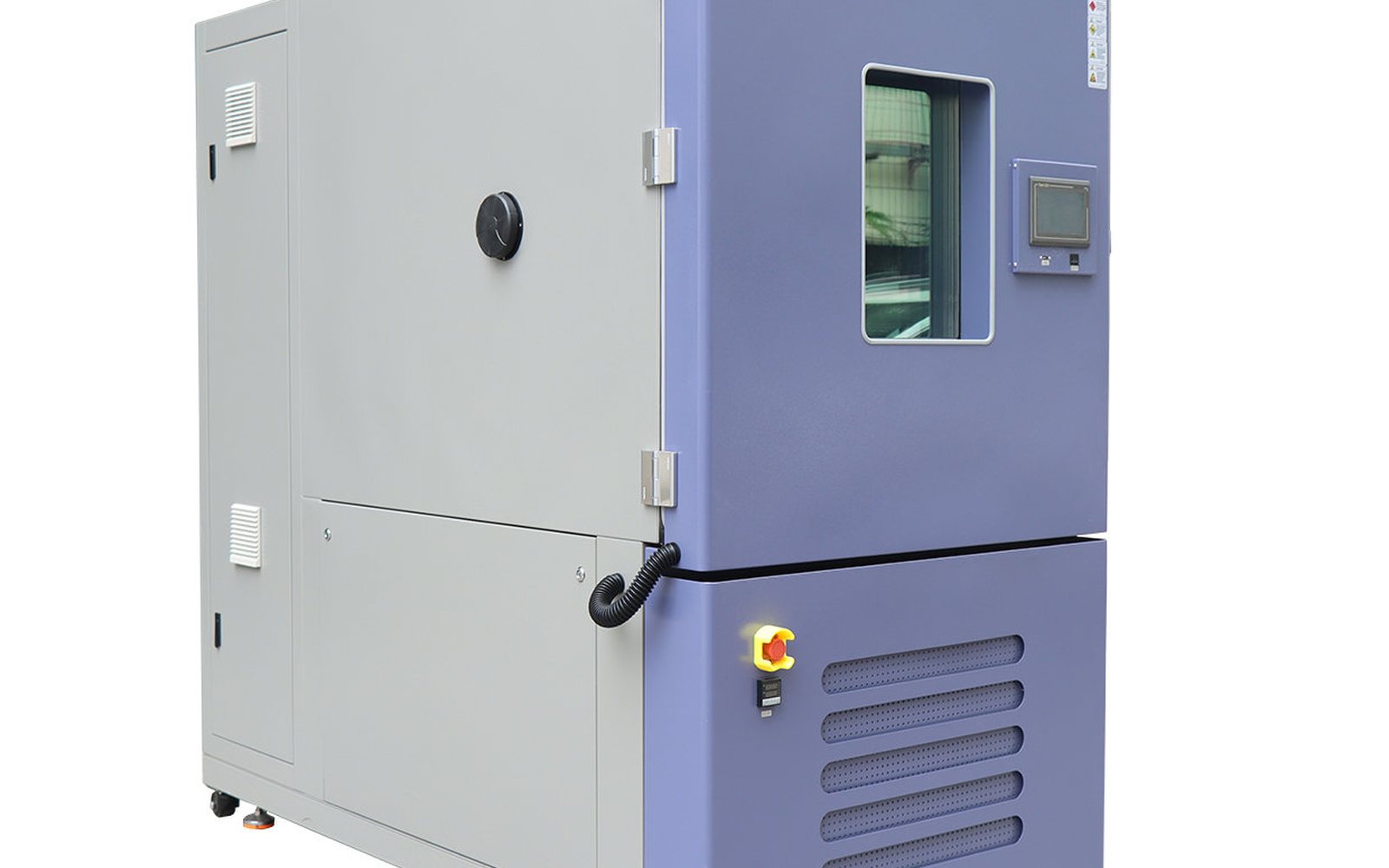
How the series is organised
The series is read in three groups.
IEC 60068-1 — General and guidance. Terms and general considerations for environmental testing.
IEC 60068-2 — Environmental test methods. The methods that expose a product to a controlled stress. The commonly cited parts include:
- IEC 60068-2-1 – Cold
- IEC 60068-2-2 – Dry heat
- IEC 60068-2-6 – Sinusoidal vibration
- IEC 60068-2-14 – Temperature change
- IEC 60068-2-27 – Shock
- IEC 60068-2-30 – Damp heat, cyclic
- IEC 60068-2-38 – Composite temperature/humidity cyclic test
- IEC 60068-2-52 – Salt mist, cyclic
- IEC 60068-2-78 – Damp heat, steady state
IEC 60068-3 — Supporting and measurement guidance. Measurement methods, chamber performance and verification of test conditions.
The third group matters at procurement. Reaching the target temperature is not sufficient by itself. Chamber stability, uniformity, recovery, airflow, loading and measurement accuracy all affect repeatability, and IEC 60068-3 is where those are defined.
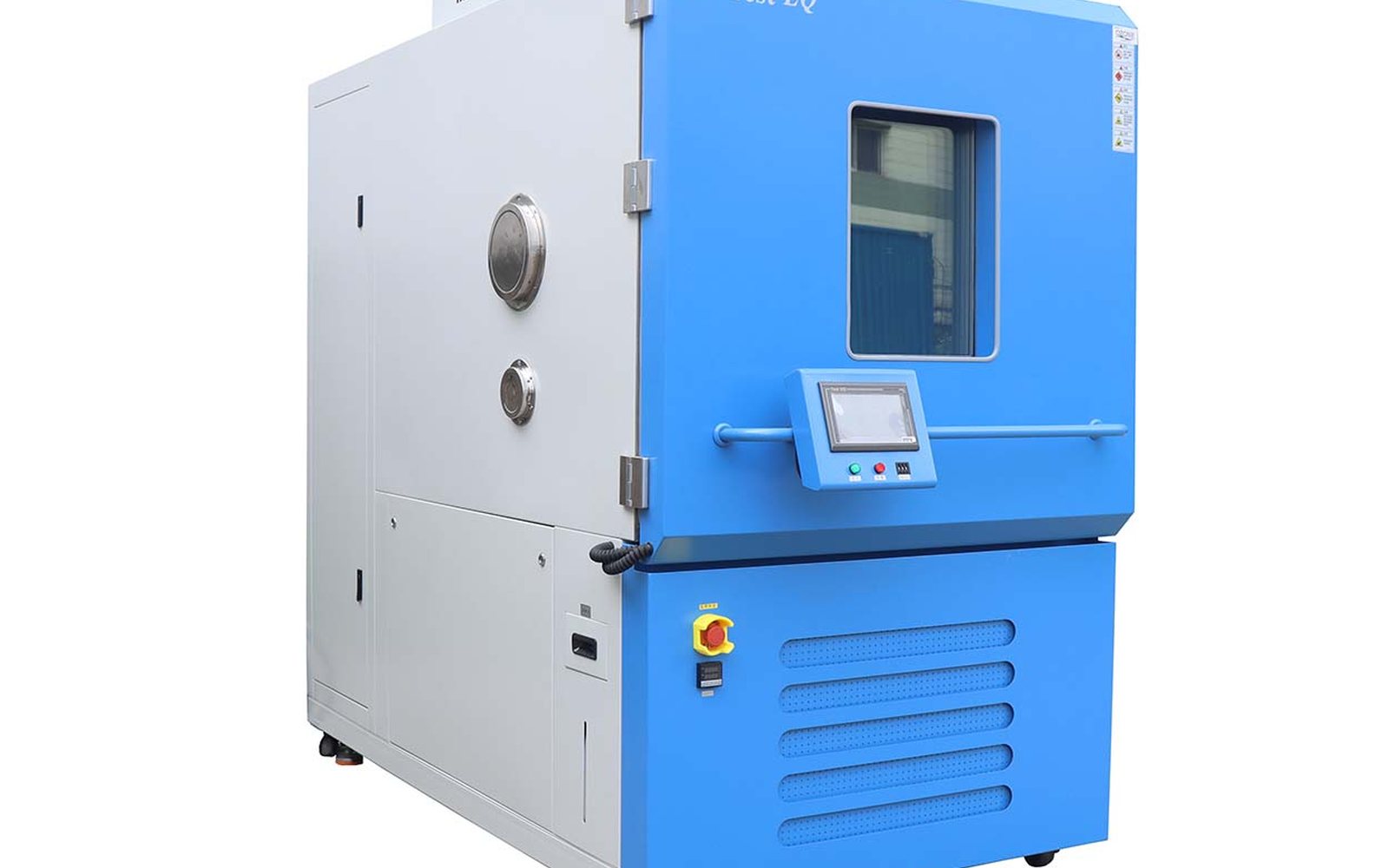
Method to equipment
The test method, not the temperature range, decides the chamber.
- IEC 60068-2-1 (cold) → low temperature chamber or temperature cycling chamber.
- IEC 60068-2-2 (dry heat) → high temperature chamber.
- IEC 60068-2-14 (temperature change) → temperature cycling chamber, rapid temperature change chamber or thermal shock chamber, depending on whether the requirement is written against a rate or a transition.
- IEC 60068-2-30 (damp heat, cyclic) → temperature humidity chamber with cyclic control.
- IEC 60068-2-38 (composite temperature/humidity cyclic) → programmable temperature humidity chamber.
- IEC 60068-2-52 (salt mist, cyclic) → cyclic corrosion or salt spray chamber.
- IEC 60068-2-78 (damp heat, steady state) → temperature humidity chamber.
- IEC 60068-2-6 (sinusoidal vibration) → vibration system or combined environmental test system.
Selecting a chamber for IEC 60068
Start from the exact part and method named in the product specification, then fix:
- The temperature range required by that method.
- Whether a temperature change rate is written against chamber air temperature or specimen temperature — the two are not interchangeable.
- The temperature/humidity range and its control accuracy for damp heat parts.
- The working volume, from the specimen size, quantity, fixture and required airflow.
- Temperature uniformity and stability under the actual load, not the empty chamber.
- Programmable profiles, data recording, alarms and traceability for qualification work.
IEC 60068 against other standards
IEC 60068 provides general environmental test methods. MIL-STD-810 is associated with military and defence environmental engineering. ISO 16750 addresses environmental conditions for road-vehicle electrical and electronic equipment. JEDEC JESD22 provides semiconductor device reliability methods. The four are frequently used together in one qualification programme, each covering the part of the physics it was written for.
Which chamber for which test
- Cold or dry heat, single condition → temperature humidity test chamber or a dedicated temperature chamber.
- Temperature change or rapid cycling → rapid temperature change chamber or thermal shock chamber .
- Damp heat, cyclic or steady state → temperature humidity chamber.
- Combined temperature and vibration → temperature humidity vibration test chamber .
Contact us with the applicable IEC part, the temperature and humidity range, the specimen size and the required profile.
Frequently asked questions
Is IEC 60068 one test procedure or a set of standards?
It is a series, not a single test. It defines how electrical and electronic products are exposed to cold, dry heat, damp heat, temperature change, vibration, shock and salt mist. The severity, duration and acceptance criteria are left to the product specification, so the series is read alongside the specification rather than instead of it.
What does each of the three groups in the IEC 60068 series cover?
IEC 60068-1 gives terms and general guidance. IEC 60068-2 holds the environmental test methods, including -2-1 cold, -2-2 dry heat, -2-6 sinusoidal vibration, -2-14 temperature change, -2-27 shock, -2-30 damp heat cyclic, -2-38 composite temperature/humidity cyclic, -2-52 salt mist cyclic and -2-78 damp heat steady state. IEC 60068-3 covers measurement methods, chamber performance and verification of test conditions.
Why does IEC 60068-3 matter when we buy a chamber?
Reaching the target temperature is not sufficient by itself. Chamber stability, uniformity, recovery, airflow, loading and measurement accuracy affect repeatability, and IEC 60068-3 is where those are defined. That is the group that decides whether the results can be reproduced.
Which chamber do I need for IEC 60068-2-14 temperature change?
It depends on how the requirement is written. If the requirement is written against a rate, a temperature cycling or rapid temperature change chamber is used. If it is written against a transition, a thermal shock chamber applies. Temperature change is also a case where the rate may be written against chamber air temperature or specimen temperature, and the two are not interchangeable.
How is IEC 60068 used together with MIL-STD-810, ISO 16750 and JESD22?
The four are frequently used together in one qualification programme, each covering the part of the physics it was written for. IEC 60068 provides general environmental test methods, MIL-STD-810 is associated with military and defence environmental engineering, ISO 16750 addresses environmental conditions for road-vehicle electrical and electronic equipment, and JEDEC JESD22 provides semiconductor device reliability methods.