ISO 16750 is the international standard for the environmental conditions and testing of electrical and electronic equipment on road vehicles. Part 4 covers the climatic loads: cold, dry heat, temperature change, humid heat and condensation. Every component from the ECU to a driver-assistance sensor is validated against it before it reaches the vehicle.
What the climatic part covers
The standard is divided into test modules, and the climatic module stresses the product with:
- Low-temperature cold start from −40 °C
- High-temperature chamber exposure up to +125 °C
- Rapid temperature change
- High humidity above 85 % RH
- Condensation formation
- Long-term damp conditions
Mechanical vibration and electrical load variation are handled by the other parts of ISO 16750, so a full validation programme combines the climatic tests with vibration and voltage-variation tests.
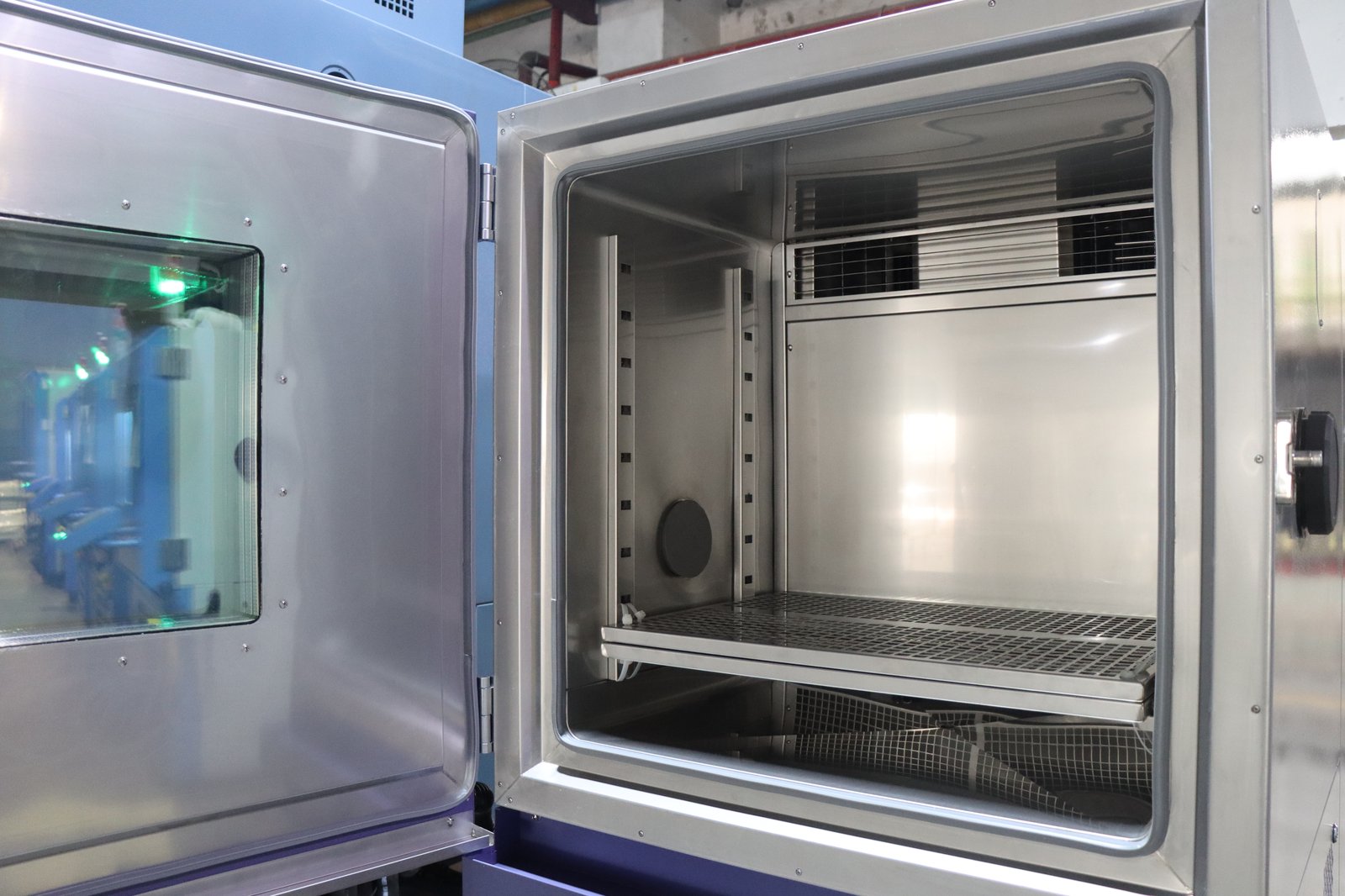
Why it matters for automotive
Global vehicle manufacturers require their suppliers to meet ISO 16750. Early environmental validation reduces field failure, warranty cost and safety-accident risk, and it supports entry into the EU, North American and Chinese new-energy supply chains. Laboratory simulation of the climatic load also reduces reliance on road testing during development.
Chamber performance for ISO 16750-4
A chamber for the climatic module is specified as follows:
- Temperature range: −70 °C to +180 °C
- Temperature control accuracy: ±0.5 °C
- Rapid temperature change capability: up to 15 °C/min
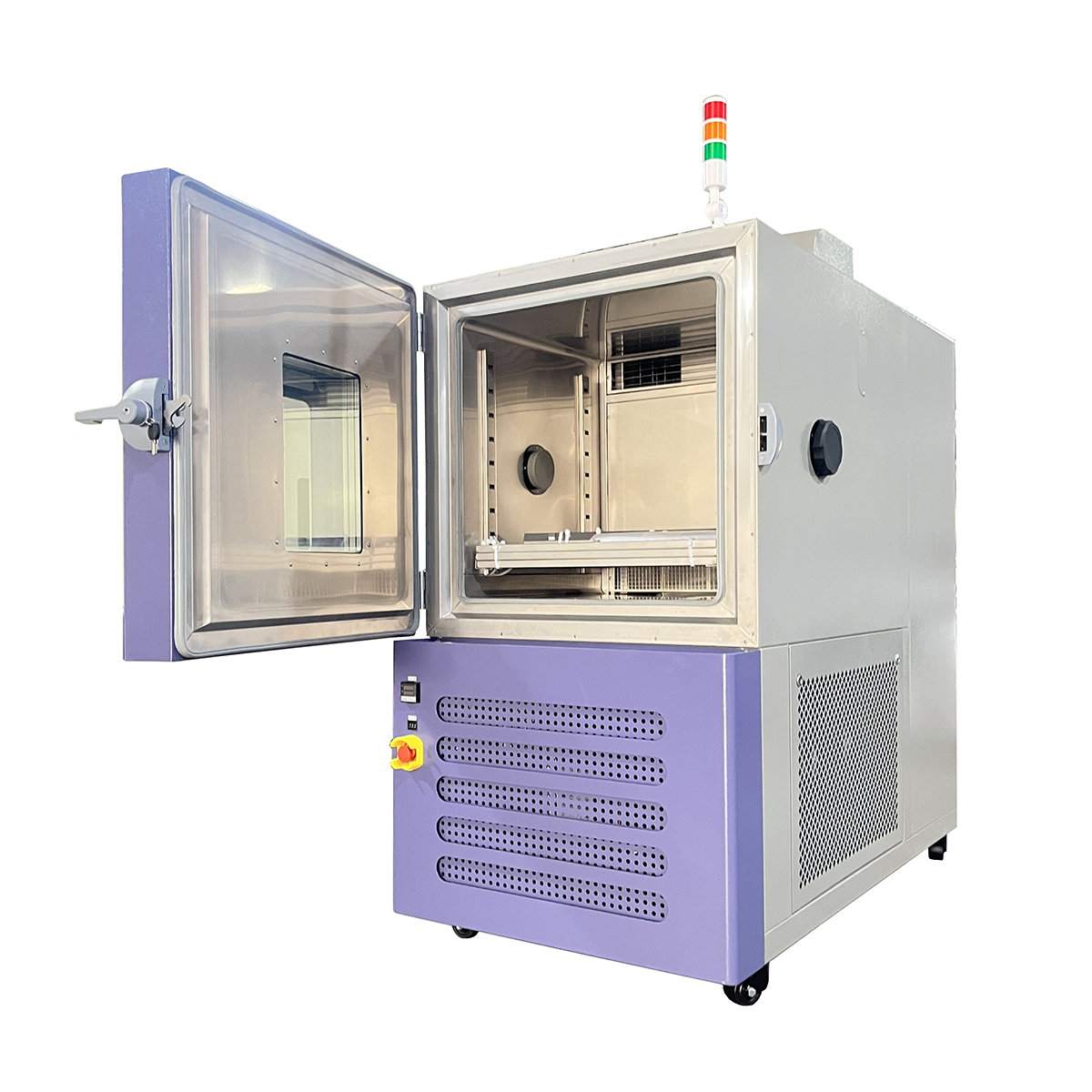
For the humid-heat and condensation sequences the chamber needs stable relative-humidity control and condensation management, and for the thermal-stress sequence a thermal cycling chamber rated to the required rate. TestEQ thermal cycling chambers are offered with ramp rates up to 25 °C/min where the profile calls for it.
Where temperature, humidity and vibration are required together for a component, a combined system applies the three-dimensional stress in one run; this is widely used for EV battery and power-electronics validation, along with HALT/HASS for design-flaw exposure and production screening.
ISO 16750 against IEC 60068
| Item | ISO 16750 | IEC 60068 |
|---|---|---|
| Primary application | Automotive electrical and electronic components | General environmental testing |
| Main industry | Automotive, EV, vehicle electronics | Electronics, aerospace, industrial |
| Target products | ECU, BMS, sensors, controllers, connectors | Components, devices, assemblies |
| Temperature testing | Automotive temperature cycling and climatic loads | General cold, dry heat, temperature change |
| Humidity testing | Vehicle-specific humidity and condensation | General damp heat |
| Mechanical testing | Vehicle vibration and mechanical loads | General vibration and shock |
| Typical equipment | Temperature humidity chamber, thermal cycling chamber, ESS chamber | Environmental chamber, thermal shock chamber, humidity chamber |
EV and battery systems
ISO 16750 validation of EV components covers battery management systems, power control units, charging systems, sensors, inverters and vehicle communication modules. The humid-heat and temperature-cycling parts are the sequences most often specified for BMS and power electronics.
Which chamber
- Climatic load, temperature and humidity/condensation → temperature humidity test chamber .
- Rapid temperature change for the thermal-stress sequence → rapid temperature change chamber .
- Temperature, humidity and vibration combined → temperature humidity vibration test chamber .
- Large assemblies or battery packs → walk-in environmental chamber .
Contact us with the component type, the ISO 16750 test part, the temperature and humidity profile and the specimen size.
Frequently asked questions
What climatic loads does ISO 16750-4 cover?
Part 4 covers the climatic module: low-temperature cold start from −40 °C, high-temperature chamber exposure up to +125 °C, rapid temperature change, high humidity above 85 % RH, condensation formation and long-term damp conditions. Mechanical vibration and electrical load variation sit in the other parts of ISO 16750, so a full programme combines the climatic tests with vibration and voltage-variation tests.
What temperature range and control accuracy should a chamber for ISO 16750-4 have?
The chamber for the climatic module is specified as −70 °C to +180 °C, with temperature control accuracy of ±0.5 °C and rapid temperature change capability up to 15 °C/min. Where the profile calls for a faster thermal-stress sequence, TestEQ thermal cycling chambers are offered with ramp rates up to 25 °C/min.
Which ISO 16750-4 sequences are most often specified for EV components?
The humid-heat and temperature-cycling parts are the sequences most often specified for BMS and power electronics. EV validation under this standard covers battery management systems, power control units, charging systems, sensors, inverters and vehicle communication modules.
Can temperature, humidity and vibration be applied in one run?
Yes. Where the three are required together for a component, a combined system applies the three-dimensional stress in one run. This is widely used for EV battery and power-electronics validation, together with HALT/HASS for design-flaw exposure and production screening.
How does ISO 16750 differ from IEC 60068?
ISO 16750 is written for automotive electrical and electronic components such as ECU, BMS, sensors, controllers and connectors, and its temperature testing covers automotive temperature cycling and climatic loads, with vehicle-specific humidity and condensation. IEC 60068 is a general environmental testing family applied to components, devices and assemblies, with general cold, dry heat, temperature change, damp heat and vibration and shock methods.