MIL-STD-883 is a military standard that defines reliability test methods for semiconductor devices, covering thermal cycling, environmental stress screening (ESS), burn-in and mechanical stress tests. It sets out uniform procedures for integrated circuits and microelectronics that have to operate under temperature variation, vibration and humidity in mission-critical environments.
What the standard covers
MIL-STD-883 provides a standardised framework for evaluating microelectronic devices used in aerospace, defence and advanced computing. It defines procedures for:
- Structural integrity of IC packages
- Electrical stability under stress
- Long-term reliability under environmental extremes
In semiconductor manufacturing it is often combined with JEDEC and IEC 60068 standards for full qualification.
Key test methods
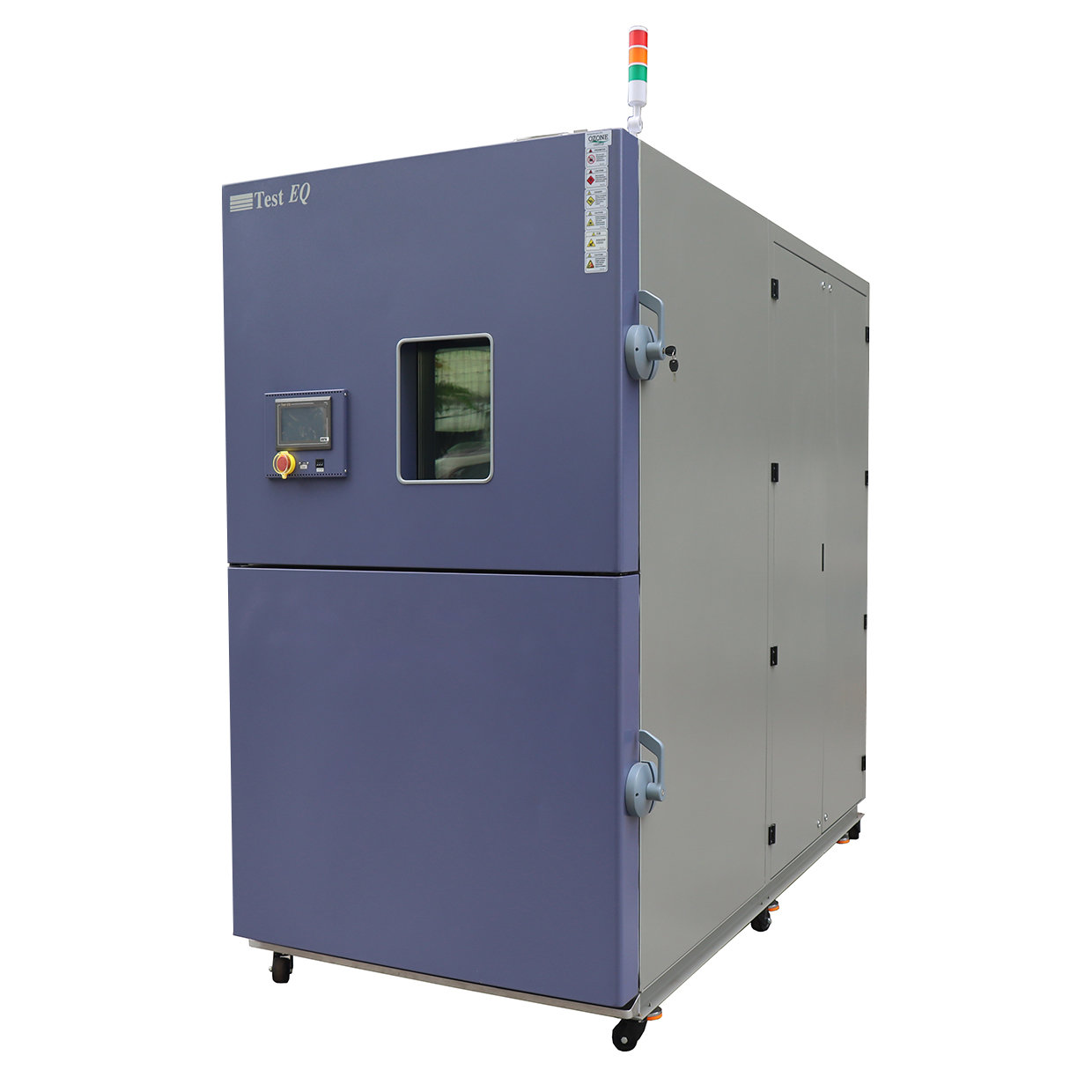
Thermal cycling – Method 1010. Repeated temperature expansion and contraction evaluate material fatigue. Typical conditions are a temperature range of −65 °C to +150 °C, a cycle count of 100–1000+ cycles, and a dwell time of 10–30 minutes. The test detects solder joint cracking, wire bond fatigue and package delamination.
Thermal shock – Method 1011. Devices are exposed to extreme temperature transitions in seconds, producing rapid mechanical stress, immediate defect detection and a high acceleration factor for failure analysis.
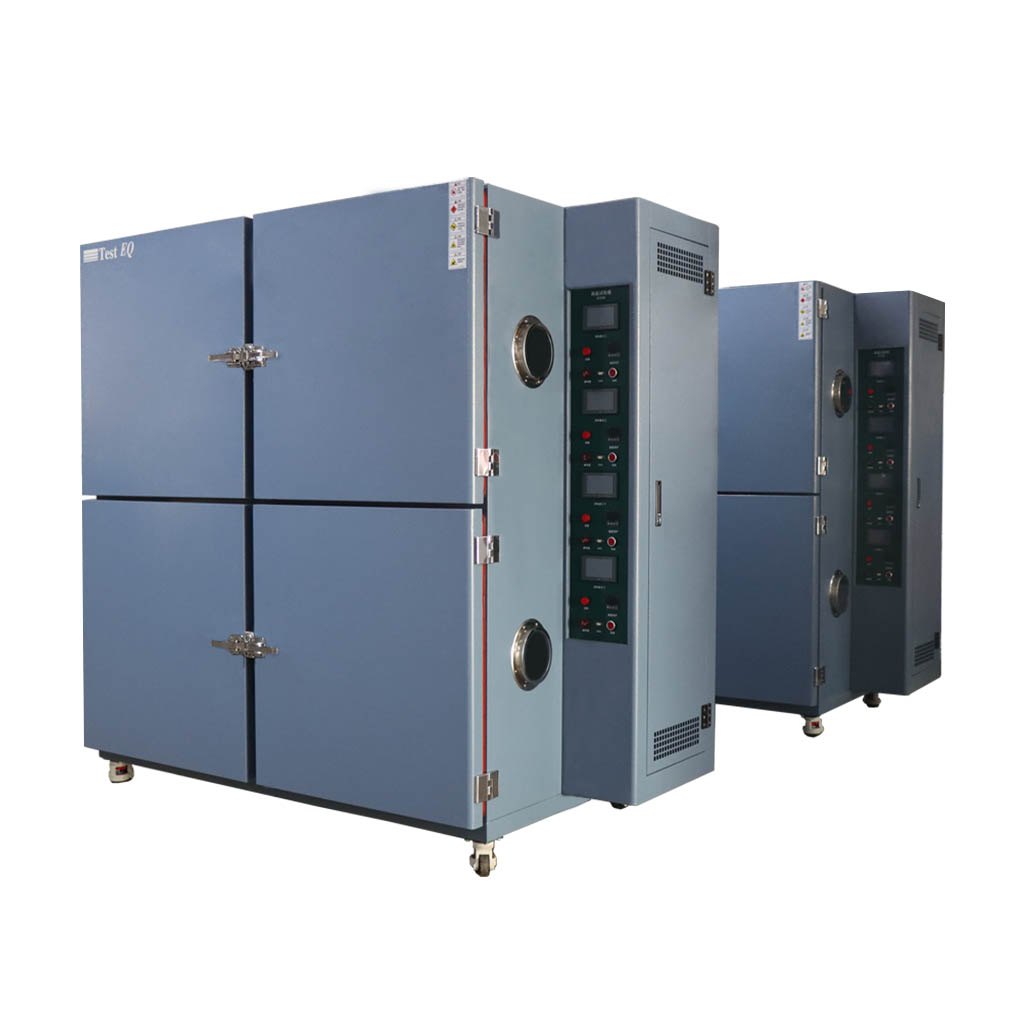
Environmental stress screening (ESS). ESS identifies latent defects before deployment by combining rapid thermal cycling with optional vibration stress and electrical loading. It is used in aerospace electronics, semiconductor production screening and defence component validation.
Burn-in. Devices are operated at high temperature under electrical stress for an extended duration to remove early-life failures.
Method overview
| Method | Test | Purpose |
|---|---|---|
| Method 1000 | Hermetic seal test | Package sealing reliability |
| Method 1010 | Temperature cycling | Thermal fatigue evaluation |
| Method 1011 | Thermal shock | Rapid temperature transition stress |
| Method 1012 | Thermal characteristics | Thermal performance evaluation |
| Method 2007 | Vibration | Mechanical reliability |
| Method 2002 | Mechanical shock | Structural durability |
| Method 1014 | Moisture resistance | Environmental durability |
| Method 5005 | Qualification testing | Device qualification |
MIL-STD-883 against JEDEC
| MIL-STD-883 | JEDEC JESD22 | |
|---|---|---|
| Main application | Military semiconductor | Commercial semiconductor |
| Target | Defence / high reliability | Electronics qualification |
| Thermal cycling | Method 1010 | JESD22-A104 |
| Moisture testing | Environmental methods | HAST / THB |
| Industry | Aerospace, defence | Automotive, consumer |
Chamber requirements
To meet MIL-STD-883, an environmental chamber has to hold these limits:
- Temperature range – −70 °C to +180 °C
- Stability – ±0.5 °C to ±1 °C
- Uniformity – ≤2 °C
- Linear ramp rate – 5–25 °C/min
- Control – programmable multi-step cycles with fast recovery
- System reliability – continuous operation, an industrial-grade compressor system, data logging and test traceability
Why it matters
Modern electronics operate in satellite systems, aircraft control electronics, automotive ADAS and ECU, high-performance ICs and defence communication modules. A single micro-defect can cause a system-level failure, which is why MIL-STD-883 remains a baseline for semiconductor reliability assurance.
Which chamber
- Thermal cycling to Method 1010 → temperature cycling chamber , or a temperature humidity test chamber where moisture resistance is also required.
- Thermal shock to Method 1011 → thermal shock chamber .
- ESS and burn-in screening → ESS test chamber .
Contact us with the applicable method number, the cycle conditions, the ramp rate and the device size.
Frequently asked questions
What conditions does MIL-STD-883 Method 1010 use for temperature cycling?
Typical conditions are a temperature range of −65 °C to +150 °C, a cycle count of 100–1000+ cycles and a dwell time of 10–30 minutes. Repeated temperature expansion and contraction evaluate material fatigue. The test detects solder joint cracking, wire bond fatigue and package delamination.
What is the difference between Method 1010 and Method 1011?
Method 1010 is temperature cycling, which uses repeated expansion and contraction for thermal fatigue evaluation. Method 1011 is thermal shock, where devices are exposed to extreme temperature transitions in seconds, producing rapid mechanical stress, immediate defect detection and a high acceleration factor for failure analysis.
What chamber limits are needed to run MIL-STD-883?
Temperature range −70 °C to +180 °C, stability ±0.5 °C to ±1 °C, uniformity ≤2 °C and a linear ramp rate of 5–25 °C/min. Control has to be programmable multi-step cycling with fast recovery, on a system built for continuous operation with an industrial-grade compressor system, data logging and test traceability.
How does ESS differ from burn-in?
ESS identifies latent defects before deployment by combining rapid thermal cycling with optional vibration stress and electrical loading, and it is used in aerospace electronics, semiconductor production screening and defence component validation. Burn-in instead operates devices at high temperature under electrical stress for an extended duration to remove early-life failures.
Which method covers hermetic seal and moisture resistance in MIL-STD-883?
Method 1000 is the hermetic seal test for package sealing reliability, and Method 1014 is moisture resistance for environmental durability. Qualification testing is Method 5005. Related methods include Method 1012 thermal characteristics, Method 2007 vibration and Method 2002 mechanical shock.